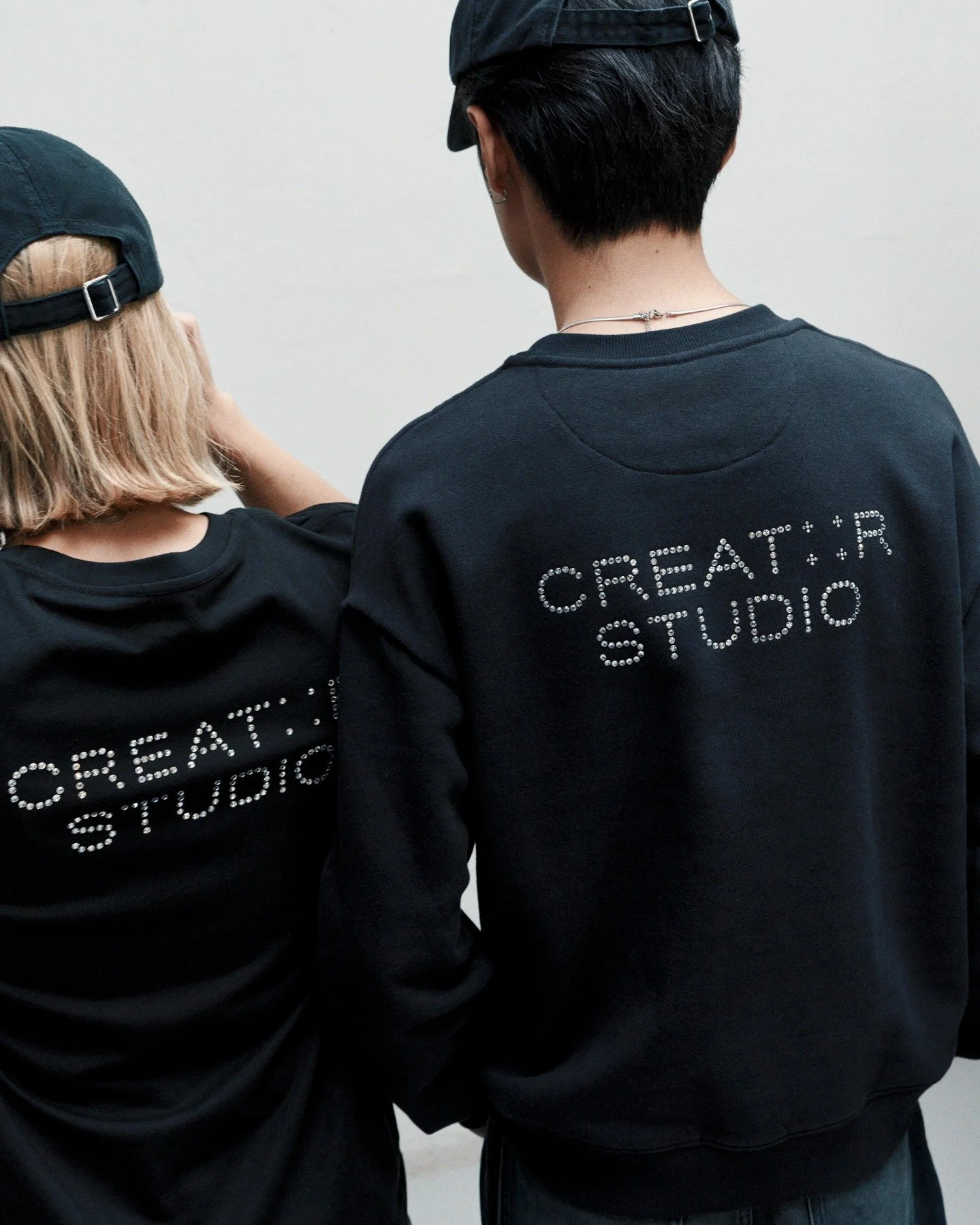
AKQA x H&M Group | Creator Studio
Helping H&M Group create a new business to enable brands, artists and creators to design, produce and sell merchandise around the world.
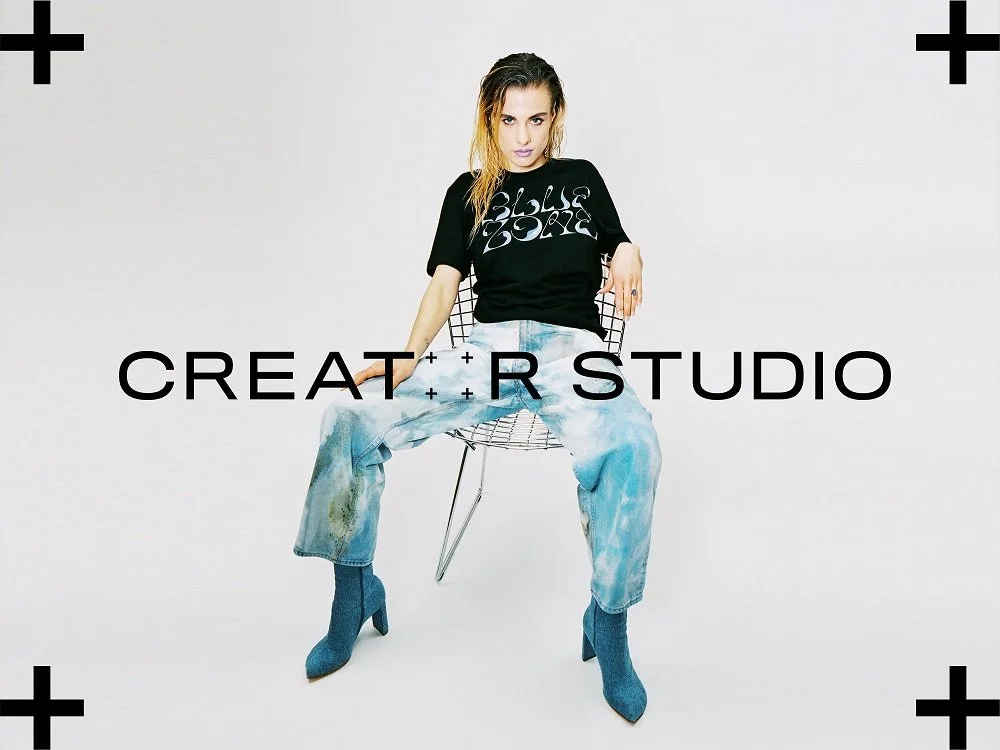
The challenge
In 2020, H&M Group wanted to develop a new business that would open up its global fashion production and retail capabilities to creators and brands of all sizes.
The ambition was to make it easier for anyone to turn their creativity into products that people wanted to buy, without the complexity, cost and risk traditionally associated with producing and selling merchandise.
But the market was already crowded with established print-on-demand platforms. Creator Studio needed to understand where the biggest opportunities were, what creators and their customers really wanted, and how it could offer something meaningfully different.
Our challenge was to help define what this new business could become, who it should serve, what it should stand for and how to bring it to market.
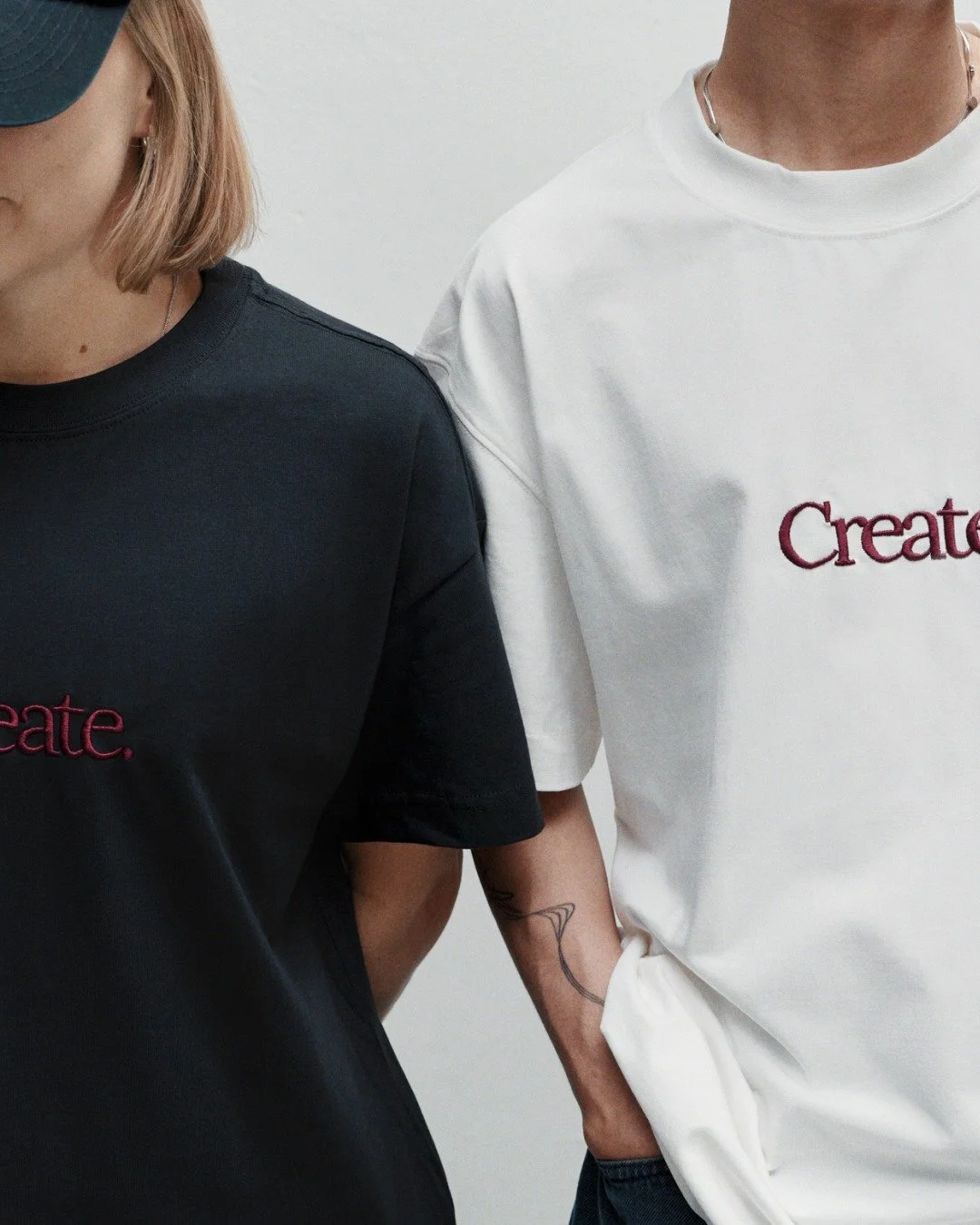
Understanding the market
We started by looking at the global merchandise industry, the competitors already operating in it, and the opportunities for Creator Studio to establish a position of its own.
I analysed competing services, including Printful, Teespring and Merch by Amazon, comparing their business models, pricing, product quality, customisation, fulfilment and customer experience.
The research identified areas where Creator Studio could offer greater value, particularly through H&M Group's fashion expertise, product quality, global infrastructure and responsible production capabilities.
It also helped us identify potential opportunities beyond the initial offer, including self-service platforms, direct-to-consumer marketplaces and services for different types of businesses.
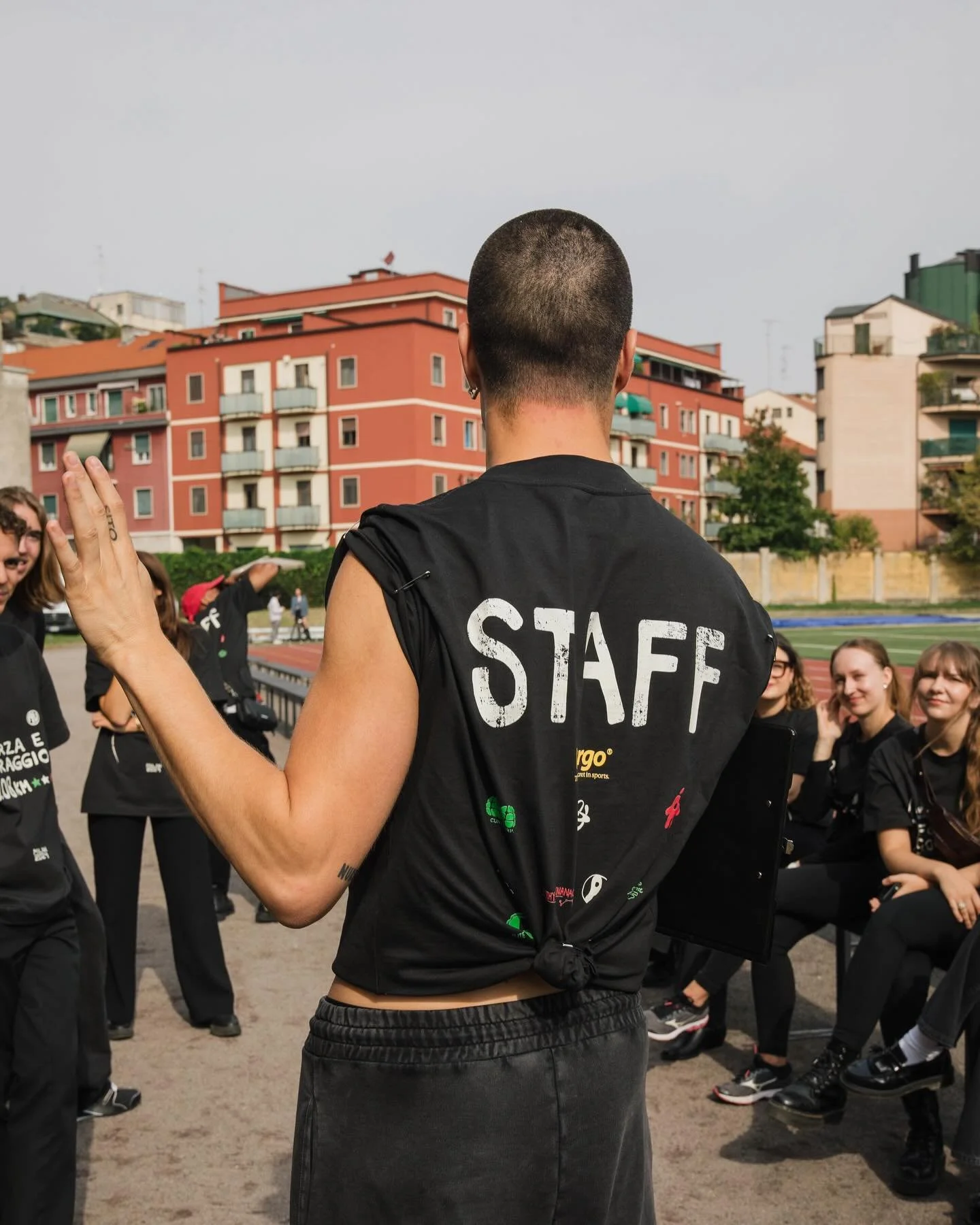
The creators and the consumers
Creator Studio had two very different audiences: the people creating and selling merchandise, and the people buying it.
I conducted interviews with both groups, exploring what motivated people to create merchandise, the challenges they faced in producing and selling it, and what made consumers want to buy branded clothing.
We looked at the different roles merchandise played in people's lives, from expressing fandom and belonging to making a fashion statement, remembering an experience or simply wearing something comfortable.
I developed detailed creator profiles and seven consumer personas, bringing together attitudes, motivations, shopping behaviours and opportunities for Creator Studio to engage each audience.
The research helped us understand how different people valued merchandise, and what that meant for the products, services and experiences Creator Studio could offer.
Defining the opportunity
The research helped us to understand where Creator Studio could compete and how the business could grow.
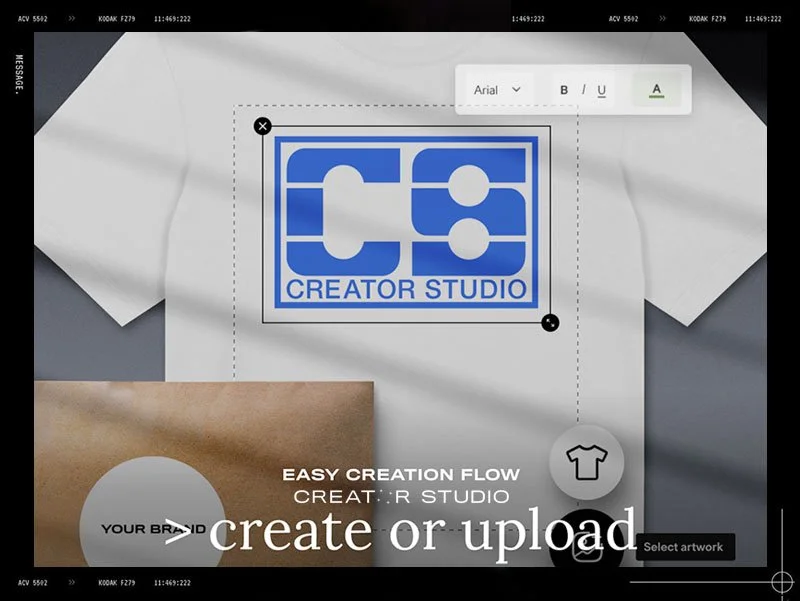
We identified opportunities across different creator groups, from established brands with large audiences to independent artists and smaller businesses looking for an easier and lower risk way to produce and sell their designs.
We also explored how the business could develop beyond its initial managed merchandise service, with potential for self-service tools, new product categories and direct-to-consumer marketplaces.
The recommendations helped establish a direction for the business, identifying the audiences, services and capabilities that offered the greatest potential for future growth.
Building the brand
Alongside the business strategy, I helped define how Creator Studio should position itself and communicate its value.
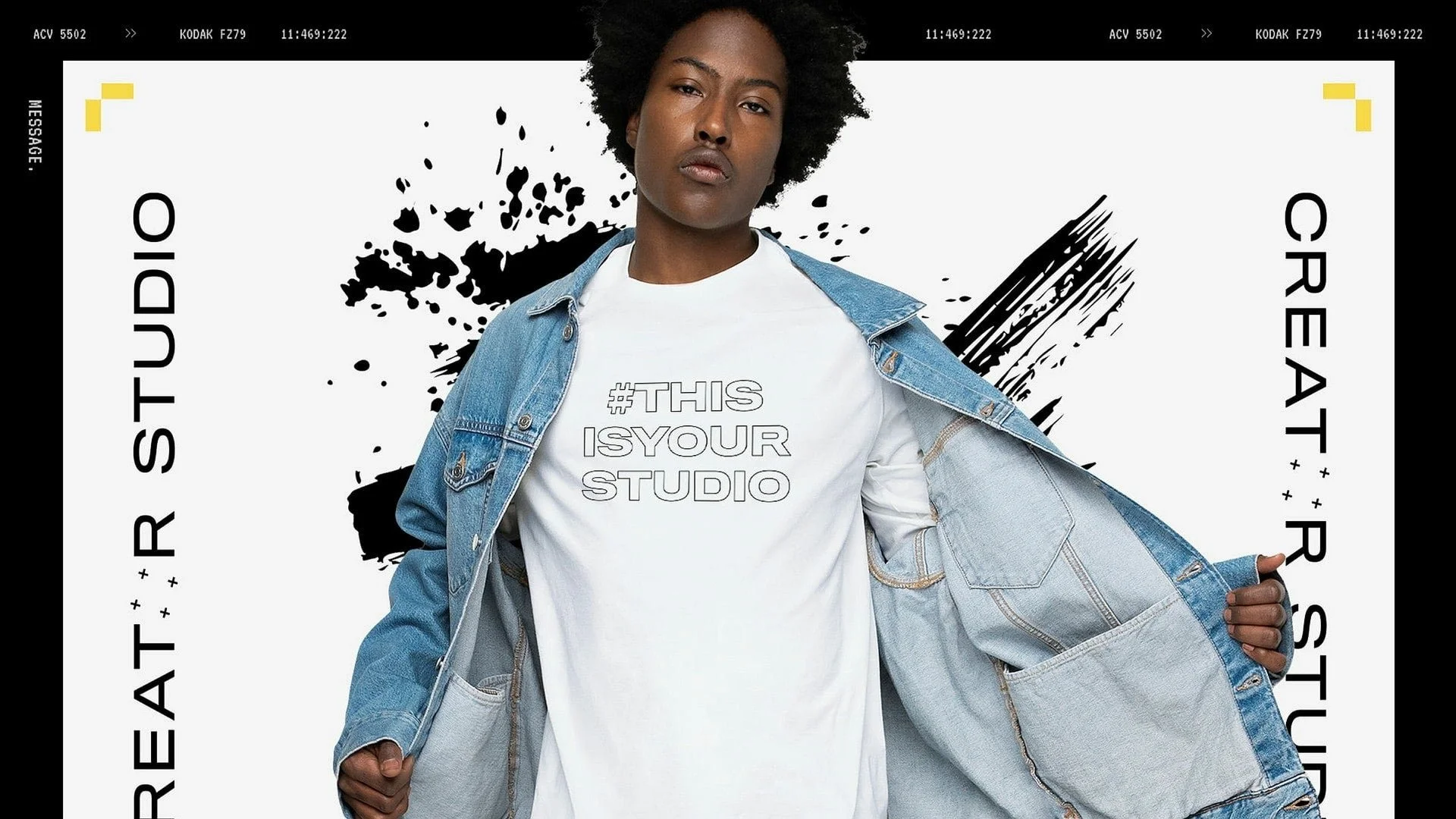
The proposition centred on giving creators the freedom to concentrate on their ideas, while Creator Studio provided the production, technology and retail infrastructure to bring those ideas to life.
I wrote the creative brief for the new brand identity, setting out the vision, positioning, personality and practical requirements for how the brand should work across different touch-points.
One of the biggest challenges was creating an identity that could stand confidently on its own while adapting to the different artists, businesses and cultures it would work with.
The AKQA creative team developed the identity from this brief, creating a distinctive and flexible brand that Creator Studio subsequently adopted.
Going to market
With the business proposition and brand direction established, I helped to develop the communication and go-to-market strategy for Creator Studio's initial phase.
The priority was to build credibility with established brands and creators, introduce the capabilities of the new service and generate qualified leads before the wider public launch.
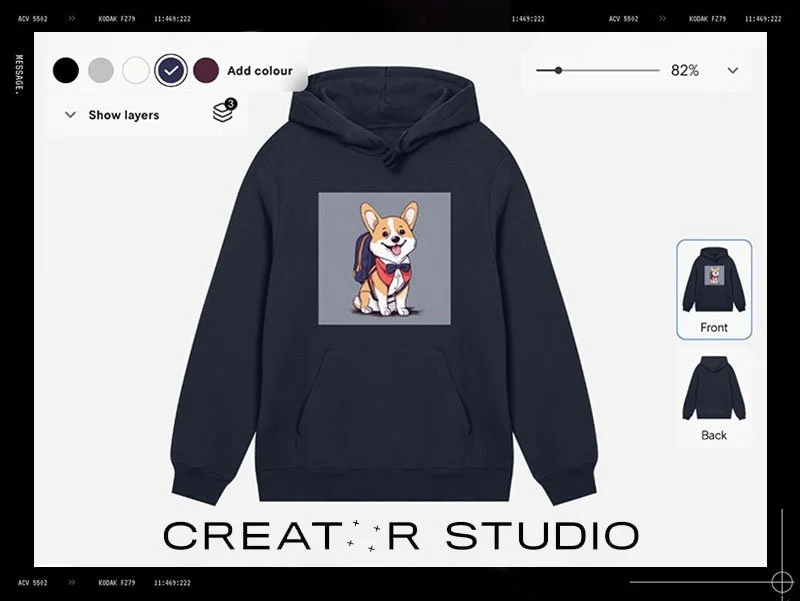
We planned an initial communication approach centred on direct relationships with prospective customers, supported by a website that could explain the business, establish its credentials and capture interest.
The strategy also set out how the brand's communication ecosystem could develop over time, bringing together different customer touch-points as the business grew.
I developed material to help us pitch to creators and bring the proposition to life, explaining how Creator Studio could help creators and brands build merchandise businesses while retaining control of their offer.
What happened next
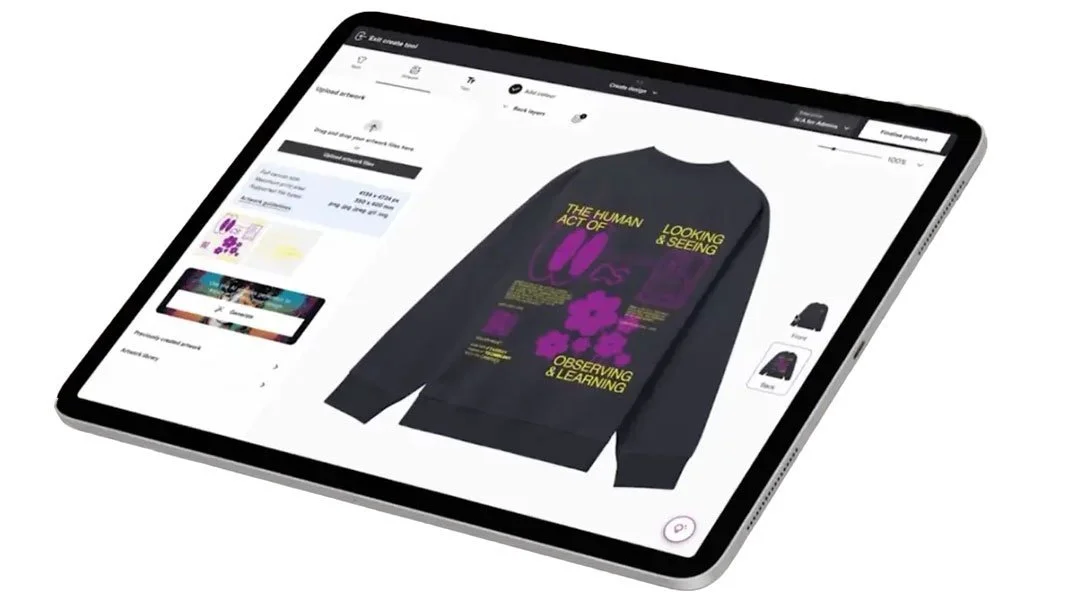
The project helped establish the strategic foundations for Creator Studio, including its market positioning, audience understanding, brand proposition and approach to entering the market.
The creative team at AKQA developed the brand identity from the brief I wrote. I also delivered the consumer research, commercial recommendations and go-to-market strategy which guided the business through its initial development and growth.
My involvement ended when I left AKQA in January 2021. Creator Studio officially launched in October 2021, and continued operating until December 2025.
My role
As the lead strategist on the project at AKQA, I was responsible for developing the market and consumer research, defining the strategic opportunities and value propositions, writing the creative brief for the brand identity, and developing the communication and go-to-market strategy.
Market and competitor research
Creator and consumer interviews
Creator and consumer segmentation and persona creation
Commercial opportunity identification
Brand vision, positioning and value propositions
Creative brief for the brand identity
Communication and go-to-market strategy
Pre-launch customer acquisition planning